Precarious futures in Australian coal mining towns
Studying those whose lives are entangled in the coal industry, and the everyday making of the climate crisis.
- Years
- 2014–2019
- Institution
- London School of Economics (PhD, 2019)
- Supervisors
- Gisa Weszkalnys and Deborah James
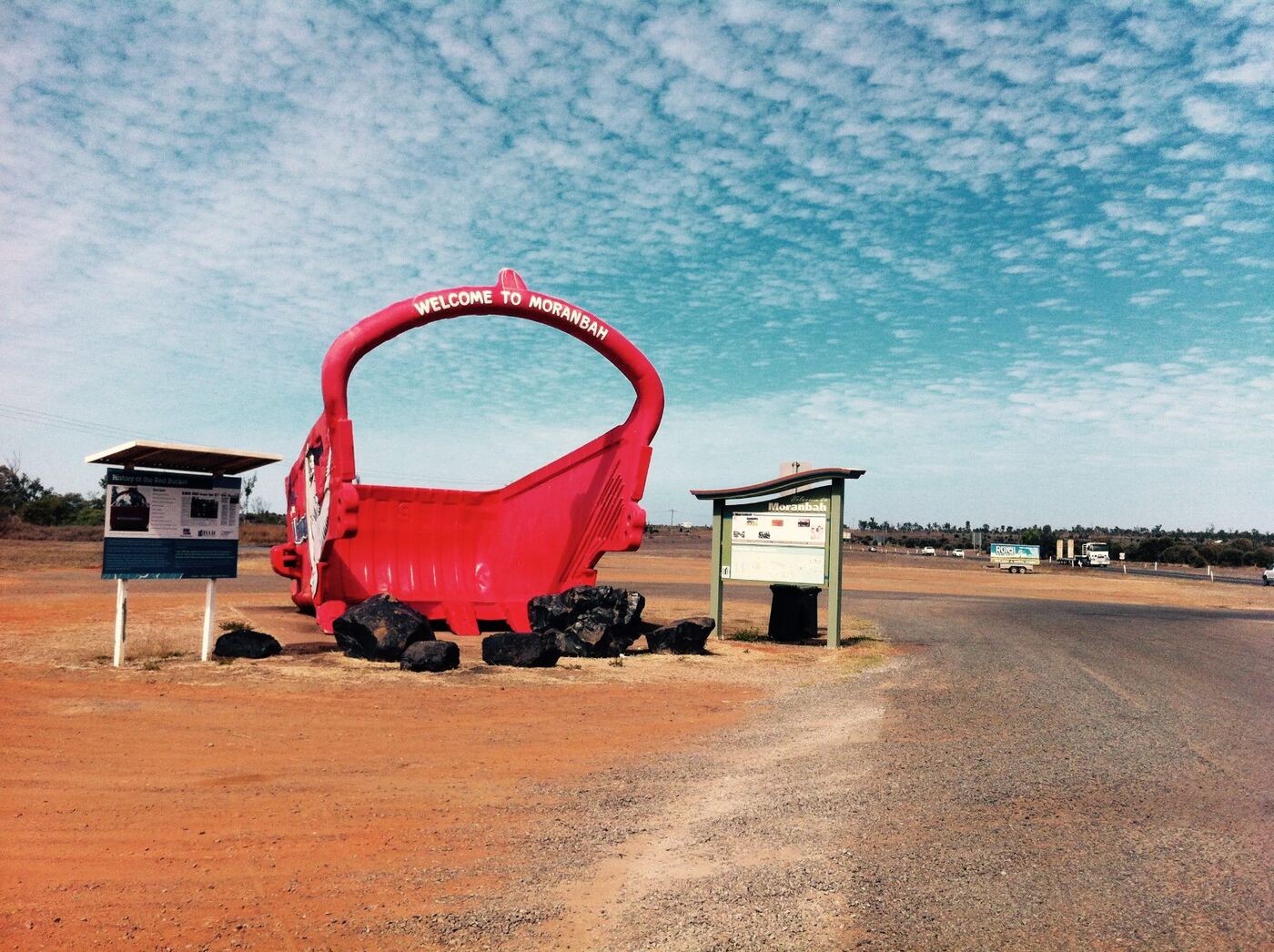
Kari's doctoral research involved two years of in-depth participant observation in Australian coal mining communities. Rather than framing coal communities or lobbyists as either victims or villains, it explores how moral claims are mobilised in everyday life and how these shape energy futures.
The work contributes to debates on the Anthropocene and energy ethics, showing how climate change is lived not as an abstract crisis but as an ethical and moral problem entangled with people's livelihoods, identities and futures. By recognising how accusations and counter-accusations entrench polarisation, it points towards ways of engaging fossil-fuel communities that move beyond moralising.
The book from this research: Coal’s Final Void (Routledge, 2025)
Outputs
- 2025Coal's Final Void: Extracted Futures and the Everyday Making of the Climate Crisis (Routledge)
- 2022The Final Voids: The ambiguity of emptiness in Australian coal mine rehabilitation. Journal of the Royal Anthropological Institute
- 2021The Moral Case for Coal: The ethics of complicity with and amongst Australian pro-coal lobbyists. The Australian Journal of Anthropology
- 2019Blaming in the Boom and Bust: Greed accusations in an Australian coal mining town. The Cambridge Journal of Anthropology